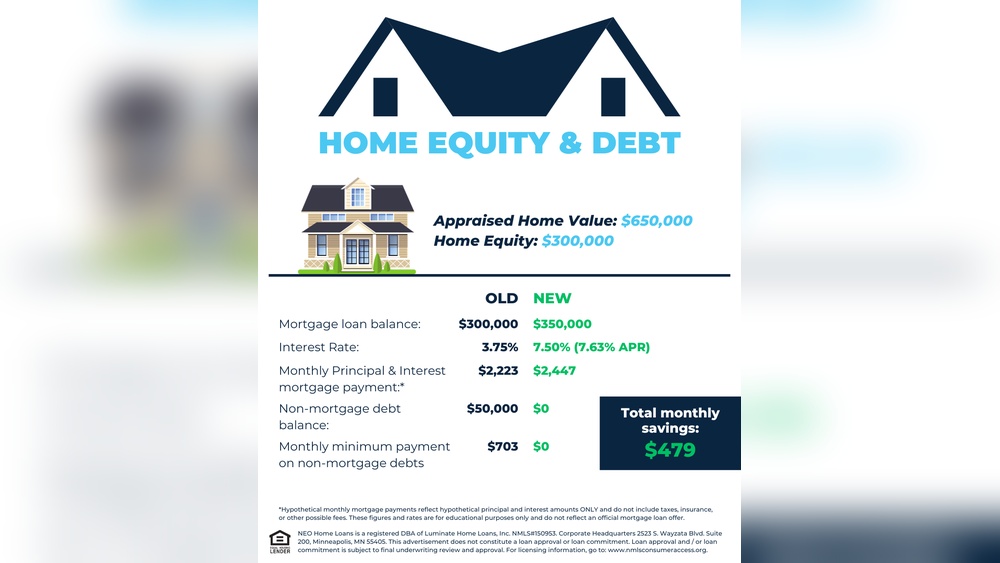
Are you feeling overwhelmed by multiple high-interest debts? Managing several payments can drain your energy and your wallet.
But what if there was a smarter way to take control of your finances? Debt consolidation through equity refinance might be the solution you’ve been searching for. By tapping into the value of your home, you could combine your debts into a single, more manageable payment with potentially lower interest rates.
Imagine freeing up cash each month and moving closer to financial freedom. Keep reading to discover how debt consolidation equity refinance works, when it makes sense for you, and the key benefits you shouldn’t miss. Your path to less stress and smarter debt management starts here.
What Is Debt Consolidation Equity Refinance
Debt consolidation equity refinance means using your home’s equity to pay off several debts. It combines multiple debts into one loan. This loan usually has a lower interest rate than credit cards or personal loans. It helps reduce monthly payments and simplifies finances.
You get this loan by refinancing your mortgage or taking a home equity loan. The new loan covers your debts, and you pay back the loan over time. This option works best if your home is worth more than what you owe.
Keep in mind, this method uses your home as collateral. Missing payments could risk your home. So, it’s important to plan carefully before choosing debt consolidation equity refinance.

How Home Equity Loans Work
Home equity loans come in two main types: lump-sum loans and home equity lines of credit (HELOCs). Lump-sum loans give one big payment upfront. HELOCs work like credit cards, letting you borrow as needed over time.
Interest rates on home equity loans are usually lower than credit cards. Lump-sum loans often have fixed rates, so payments stay the same every month. HELOCs usually have variable rates, which can change.
| Loan Type | Interest Rate | Payment Terms |
|---|---|---|
| Lump-Sum Loan | Fixed | Fixed monthly payments for set term |
| HELOC | Variable | Flexible payments; borrow and repay repeatedly |
Benefits Of Using Equity For Debt Consolidation
Using home equity for debt consolidation can lower your interest rates. Mortgage and equity loans often have lower rates than credit cards or personal loans. This means you pay less money over time.
It also simplifies payments. Instead of managing many debts, you make just one monthly payment. This can reduce stress and help you stay on track.
There can be tax advantages too. Interest on some home equity loans may be tax deductible. Always check with a tax advisor to understand your benefits.

Cash-out Refinance Explained
Cash-out refinance lets homeowners borrow against their home equity. It replaces the current mortgage with a new one for a higher amount. The difference is taken as cash to use freely. This method often offers lower interest rates than credit cards or personal loans.
Home equity loans also tap into home value but keep the original mortgage separate. They have fixed rates and set terms. Cash-out refinance may be better for those wanting to combine debts into one payment. Equity loans suit borrowers preferring a second loan with fixed payments.
| Feature | Cash-Out Refinance | Home Equity Loan |
|---|---|---|
| Loan Type | Refinance existing mortgage | Second mortgage |
| Interest Rates | Usually lower | Fixed, often low |
| Loan Term | Matches new mortgage term | Typically 5-15 years |
| Monthly Payment | One payment for all debt | Separate payment from mortgage |
Qualifying For Debt Consolidation Refinance
Credit scores usually need to be at least 620 for debt consolidation refinance. Higher scores get better loan terms and rates. Scores below this may face higher interest or denial.
Home equity must often be at least 15% to 20% of your home’s value. This equity acts as collateral for the loan. More equity means better chances of approval.
| Requirement | Typical Threshold |
|---|---|
| Credit Score | 620 or higher |
| Home Equity | 15% to 20% minimum |
| Debt-to-Income Ratio (DTI) | Below 43% preferred |
| Income | Stable and verifiable |
Income must be steady and easy to prove. Lenders want to see you can pay monthly.
Debt-to-income ratio should be below 43%. This means your monthly debts are less than 43% of your income.
Steps To Refinance For Debt Consolidation
Evaluating Your Debt means listing all debts with interest rates and balances. Compare these to see which debts cost the most. This helps decide if refinancing is a smart choice. Knowing your total debt helps find the right loan.
Choosing the Right Loan involves looking for loans with lower interest rates than current debts. Home equity loans or cash-out refinancing often offer better rates. Check loan terms like repayment length and fees. Pick a loan that fits your budget and goals.
Application Process starts by gathering documents like proof of income, credit reports, and home value. Submit the application to lenders and wait for approval. Respond quickly to requests for more information. After approval, use the loan to pay off high-interest debts and simplify payments.
Risks And Considerations
Using home equity to consolidate debt carries risks. You might lose your home if payments are missed. The loan is secured by your house, so failure to pay means foreclosure is possible.
Closing costs and fees can add up. These include appraisal fees, loan origination fees, and title insurance. These extra costs might reduce the savings you expect from refinancing.
Debt consolidation equity refinance can affect your credit score. Applying for a new loan causes a hard inquiry, which may lower your score temporarily. Also, missing payments will hurt your credit history.
:max_bytes(150000):strip_icc()/debtconsolidation.asp-final-18e80676e0af4379a7962bfc4a0874de.png)
Alternatives To Equity Refinance
Personal loans offer a fixed interest rate and set monthly payments. They can help combine multiple debts into one easy payment. Usually, approval depends on your credit score and income.
Balance transfer credit cards let you move high-interest credit card debt to a new card with a low or 0% interest rate for a limited time. Watch out for transfer fees and the rate after the offer ends.
Debt management plans involve working with a credit counselor. They negotiate lower interest rates and fees with creditors. You make one monthly payment to the counselor, who pays your debts.
Tips To Maximize Savings
Negotiate better rates by comparing offers from different lenders. Ask for lower interest rates or fees to reduce your monthly payments. Show your good credit score to get better deals. Remember, even a small rate cut saves money over time.
Budgeting for repayment means planning your monthly expenses carefully. List all your debts and prioritize paying them off. Set aside a fixed amount each month to avoid missing payments. Track your spending to stay on course and avoid surprises.
Avoid new debt while repaying your consolidated loan. Use cash or debit cards instead of credit cards. Resist the urge to borrow more until your current debts are paid off. Staying debt-free helps build a stronger financial future.
Finding The Best Lenders In Austin, Texas
Local lenders in Austin often offer personalized service and faster responses. They understand the local market and community needs better. National lenders provide more options and competitive rates due to their size. They may have stricter requirements but offer broader loan products.
Comparing offers is key to finding the best deal. Look at interest rates, fees, and loan terms. Some lenders charge hidden costs, so read all details carefully. Use a simple table to compare key points side by side.
| Lender Type | Interest Rates | Fees | Loan Terms | Customer Service |
|---|---|---|---|---|
| Local | Moderate | Low to Moderate | Flexible | Personalized |
| National | Low | Moderate to High | Standard | Less Personal |
Checking reviews and ratings helps trust lenders. Focus on customer feedback about payment processes and support. Avoid lenders with many complaints about delays or hidden fees. Use trusted sites like the Better Business Bureau for accurate ratings.
Frequently Asked Questions
What Is Debt Consolidation Equity Refinance?
Debt consolidation equity refinance involves using your home’s equity to combine multiple debts into one loan. This can lower interest rates and simplify monthly payments, making debt management easier and potentially saving money over time.
How Does Home Equity Help In Debt Consolidation?
Home equity acts as collateral for a loan, allowing you to access funds at lower interest rates. Using this equity to consolidate debt can reduce high-interest balances like credit cards into one affordable payment.
Who Qualifies For A Debt Consolidation Refinance?
Typically, homeowners with sufficient equity, a stable income, and good credit qualify. Lenders evaluate your financial situation to ensure you can repay the refinanced loan responsibly.
What Are The Risks Of Equity Refinance For Debt?
Using home equity increases the risk of losing your home if you default. It’s important to consider this before consolidating unsecured debts into a secured home loan.
Conclusion
Debt consolidation through equity refinance can simplify your finances. It often lowers your monthly payments and interest rates. Using your home’s equity can help pay off high-interest debts. This option can bring relief but requires careful planning. Always consider the risks and benefits before deciding.
Talking to a financial advisor may provide clarity. Managing debt wisely leads to better financial health. Take time to understand your choices well. Your financial future depends on smart decisions today.