
Thinking about tapping into your home’s value? Getting a home equity refinance quote is the first step to unlocking cash for your goals—whether it’s renovating your kitchen, paying off debt, or covering unexpected expenses.
But how do you know if refinancing is the smart move for you? What rates can you expect, and how will it affect your monthly payments? You’ll discover how to quickly compare quotes, understand the key details lenders won’t always tell you upfront, and make confident decisions that protect your financial future.
Keep reading to learn how a simple quote can open doors to better options—and save you money in the long run.
Home Equity Refinance Basics
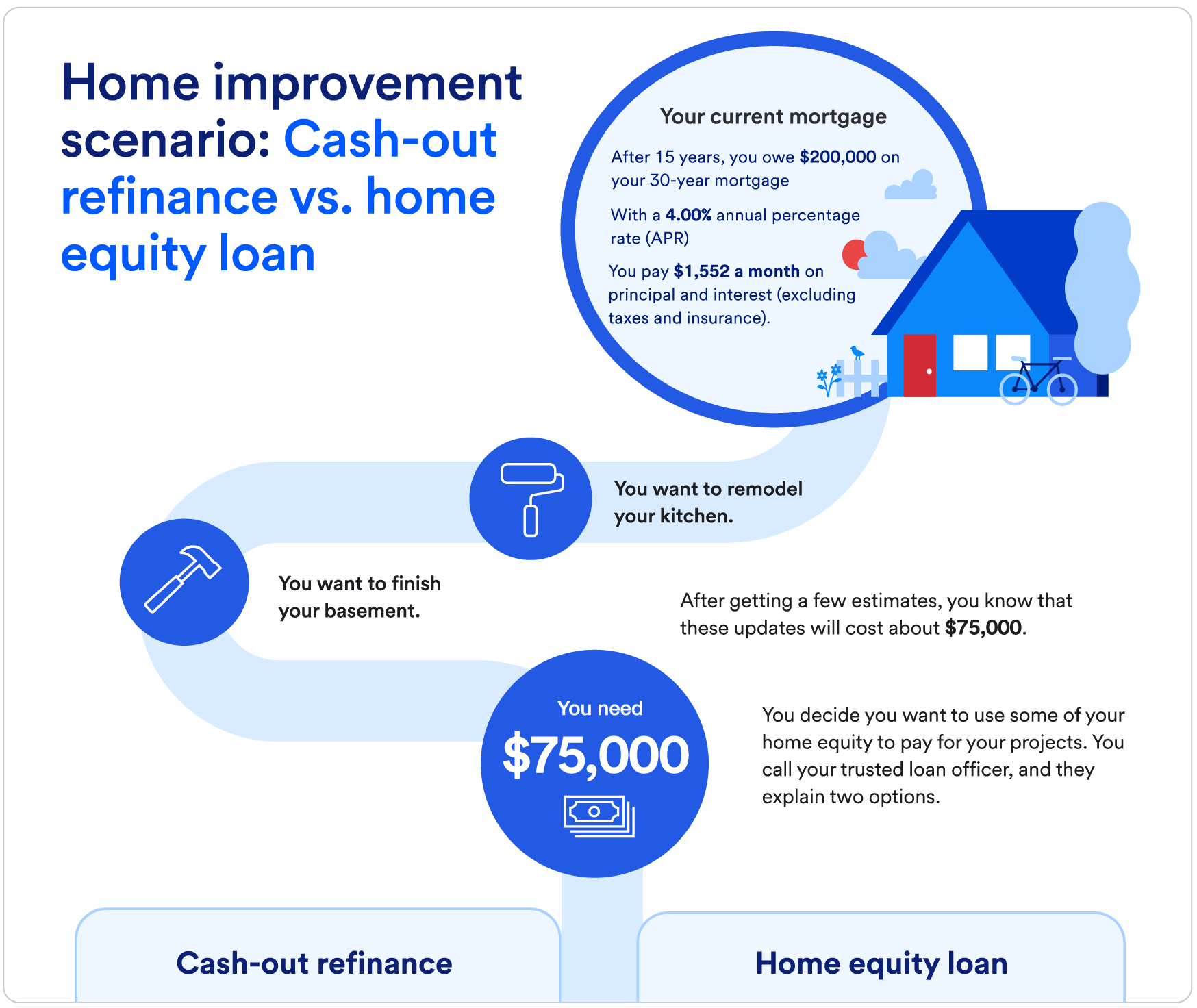
Home equity refinance means replacing your current mortgage with a new one. You borrow against the value of your home. It can lower your interest rate or monthly payments.
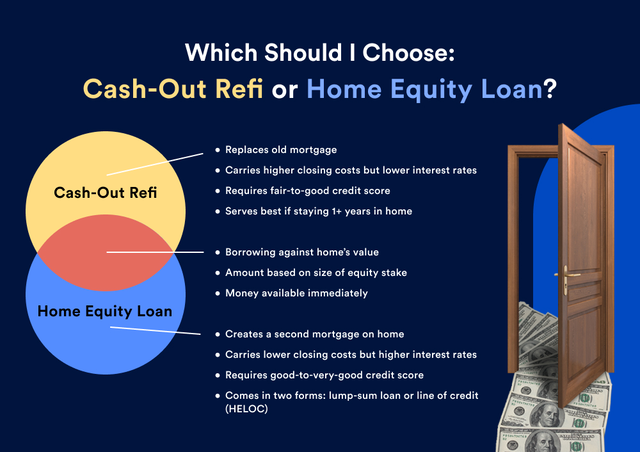
Two main types of home equity refinancing exist: cash-out refinance and HELOC. A cash-out refinance gives you a lump sum of money by increasing your loan amount. You pay a fixed interest rate and fixed monthly payments.
A HELOC is a line of credit, like a credit card. You can borrow money as needed, up to a limit. It usually has a variable interest rate, and payments can change.
| Feature | Cash-Out Refinance | HELOC |
|---|---|---|
| Loan Type | New mortgage loan | Line of credit |
| Interest Rate | Fixed | Variable |
| Payment | Fixed monthly | Varies monthly |
| Access to Funds | One lump sum | Draw money as needed |
Benefits Of Refinancing Home Equity
Lower interest rates can save you money over the loan term. Refinancing often means switching to a loan with a better rate. This reduces the total interest paid.
Reduced monthly payments help ease your budget. By lowering your interest rate or extending the loan term, monthly payments become smaller. This frees up cash for other needs.
Accessing cash for expenses is another key benefit. Refinancing lets you tap into your home’s equity. You can use this money for home repairs, education, or emergencies.
Factors Affecting Refinance Rates
Credit score plays a big role in refinance rates. A higher score often means lower interest rates. Lenders see good credit as less risky. Poor credit can lead to higher rates or even denial.
Current market trends also affect refinance rates. Rates go up and down based on the economy and Federal Reserve policies. Keeping an eye on these trends can help you pick the best time to refinance.
| Factor | Impact on Refinance Rate |
|---|---|
| Credit Score | Higher score = lower rate; lower score = higher rate |
| Current Market Trends | Rates fluctuate with economy and policy changes |
| Loan-to-Value Ratio (LTV) | Lower LTV means better rates; higher LTV means riskier and higher rates |

How To Get The Best Refinance Quote
Compare lenders carefully to find the best refinance quote. Look at interest rates, loan terms, and fees. Use online calculators to estimate monthly payments and savings. These tools help you see how different offers affect your budget.
Negotiate terms and fees with lenders. Ask for lower closing costs or better interest rates. Small changes can save you a lot of money. Don’t accept the first offer without asking questions.
| Step | What to Do | Why It Matters |
|---|---|---|
| Compare Lenders | Check rates, terms, and fees from multiple lenders | Find the best deal and save money |
| Use Online Calculators | Estimate payments and total costs | Understand financial impact before applying |
| Negotiate Terms | Request lower fees or better interest rates | Reduce overall loan cost |
Costs To Consider When Refinancing
Closing costs and fees usually include lender charges, title services, and recording fees. These can add up to 2% to 5% of the loan amount. Some lenders may offer no-closing-cost refinance options, but those often come with higher interest rates.
Prepayment penalties are fees some lenders charge if you pay off your loan early. Not all loans have these penalties, so check your loan terms carefully. Paying off your loan early might save interest, but penalties could lower those savings.
Appraisal and inspection charges are common during refinancing. An appraisal checks your home’s current value. Inspections ensure the property’s condition is good. These costs usually range from $300 to $700. They help lenders decide how much to lend.
Refinance Process Step-by-step
Gathering Required Documents includes proof of income, credit history, and home appraisal. Lenders need these to assess your financial status.
Applying for Quotes involves contacting several lenders to compare rates and terms. This step helps find the best deal for your refinance.
Loan Approval and Closing happens after lenders review your application. You will sign documents and pay closing costs to complete the process.
Common Refinancing Mistakes To Avoid
Ignoring long-term costs can lead to paying more than expected. Loan fees, closing costs, and interest add up over time. Check all expenses before deciding.
Skipping rate comparisons wastes money. Different lenders offer different rates. Comparing rates helps find the best deal and save money on monthly payments.
Overborrowing against equity is risky. Borrow only what is needed. Too much debt can cause problems if home value drops or income changes.
Refinancing Options In Austin, Texas
Austin, Texas offers several options for refinancing home equity. Local lenders provide competitive rates and flexible terms tailored to residents. Many programs focus on helping homeowners reduce monthly payments or access cash for important expenses.
The market conditions in Austin are influenced by the city’s growth and housing demand. Interest rates may vary based on economic factors and lender policies. Staying informed about current rates can help secure the best deal.
Texas has specific rules that protect borrowers during refinancing. State laws require clear disclosure of all fees and loan details. These regulations aim to keep the process transparent and fair for homeowners.
Tools To Estimate Savings
Home equity refinance calculators help you estimate savings quickly. They let you enter your loan amount, interest rate, and term. These tools show how much your monthly payments could be.
APR and payment estimators provide clear views of costs. They include fees and interest to show the real annual percentage rate. This helps compare offers fairly.
Comparing refinancing scenarios side by side makes decisions easier. You can see different interest rates, loan terms, and payment amounts. This helps find the best deal for your budget.
| Tool | Purpose | Benefits |
|---|---|---|
| Home Equity Refinance Calculator | Estimate monthly payments | Quick savings estimate based on loan details |
| APR Estimator | Calculate true loan cost | Includes fees and interest for fair comparison |
| Refinancing Scenario Comparator | Compare multiple offers | Helps pick the best refinance option |
When To Refinance Your Home Equity
Refinancing your home equity can save money or improve loan terms. Watch for signs to refinance:
- Lower interest rates than your current loan.
- Your credit score has improved significantly.
- You want to reduce monthly payments.
- Need cash for major expenses or debt consolidation.
Timing with market fluctuations matters. Rates can change fast. Refinancing when rates drop can mean big savings.
Personal financial considerations include job stability and future plans. Stable income and staying in the home longer are good reasons.
Frequently Asked Questions
How Much Would A $100,000 Home Equity Loan Cost Per Month?
A $100,000 home equity loan costs about $450 to $600 monthly. Rates vary between 4% and 6%, loan terms affect payments.
What Is The 2% Rule For Refinancing?
The 2% rule for refinancing suggests your new loan’s interest rate should be at least 2% lower than your current rate to save money. This rule helps decide if refinancing will reduce monthly payments and overall interest costs effectively.
What Is The Monthly Payment On A $50,000 Heloc?
The monthly payment on a $50,000 HELOC depends on the interest rate and repayment terms. Typically, expect $200-$400.
Is A Heloc A Trap?
A HELOC is not a trap if used wisely. It offers flexible borrowing but requires disciplined repayment to avoid debt risks.
Conclusion
Getting a home equity refinance quote helps you plan your finances better. It shows clear loan terms and monthly payments. Compare offers from different lenders to find the best fit. Knowing your options makes you more confident in decisions. Start by gathering quotes and reviewing details carefully.
This simple step can save you money over time. Remember, a smart choice today leads to financial ease tomorrow.