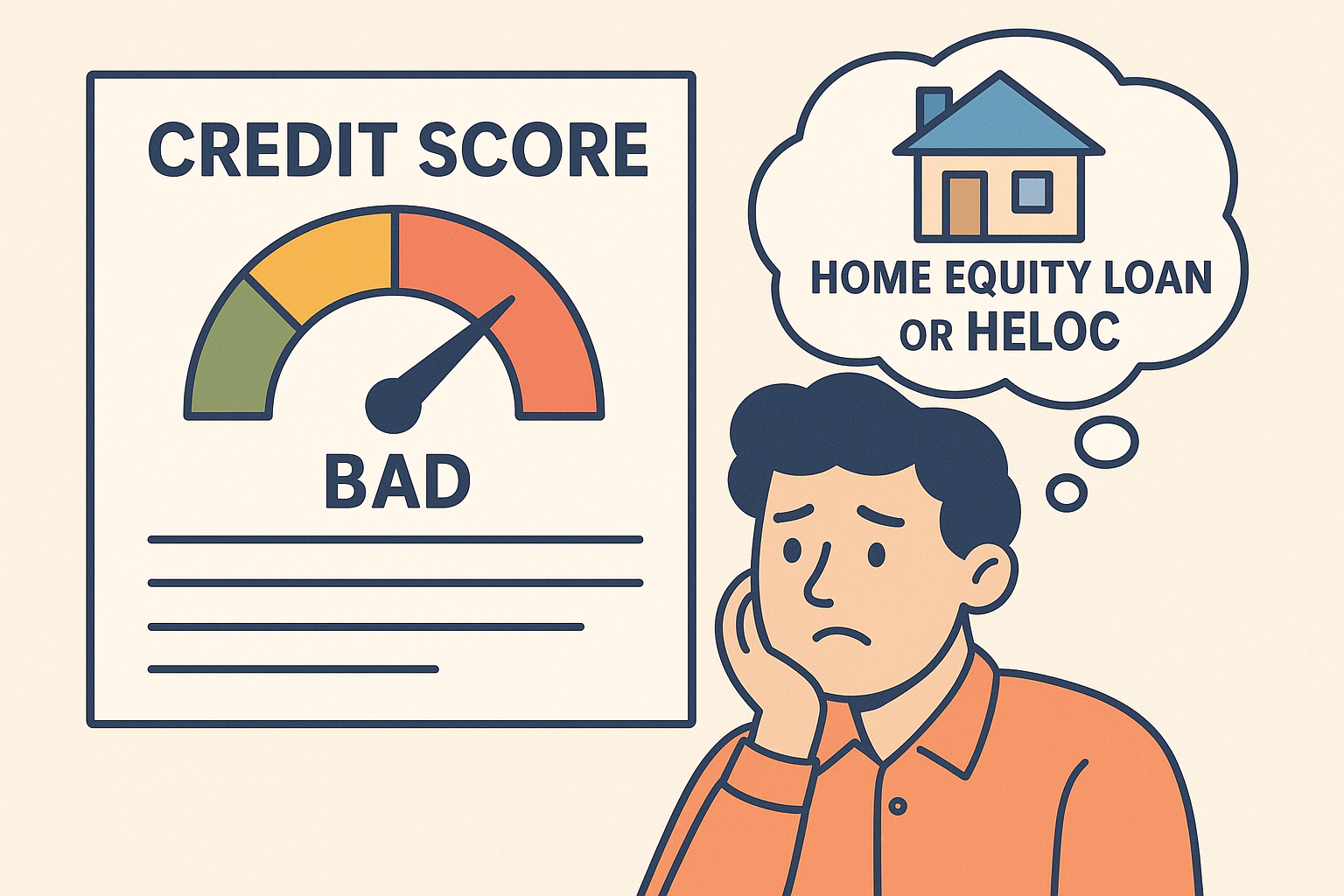
If you’re struggling with bad credit but need access to cash, a bad credit equity loan might be the solution you’ve been searching for. You might wonder, “Can I really borrow against my home if my credit isn’t great?” The good news is, yes—you can.
This type of loan lets you tap into your home’s value, even if your credit score isn’t perfect. But before you dive in, it’s important to understand how these loans work, what risks you face, and how to improve your chances of approval.
Keep reading to discover everything you need to know about bad credit equity loans and how they can help you take control of your financial situation.
What Is A Bad Credit Equity Loan
A bad credit equity loan lets homeowners borrow money using their home’s value. This loan is for people with low credit scores who may not qualify for regular loans. The amount you can borrow depends on your home’s equity—the difference between its market value and what you owe.
Lenders check your home’s value and your income. They also look at your debt-to-income ratio. Even with bad credit, a high income can help you get approved. The loan uses your home as collateral, so failing to pay can risk losing your house.
Interest rates might be higher than regular loans. Terms can vary, so compare offers carefully. This loan can help with emergency expenses or paying off other debts.
How Bad Credit Affects Loan Approval
Bad credit can make loan approval harder. Lenders see low credit scores as a risk. They may ask for higher interest rates or larger down payments. Some lenders may even reject the loan application.
Loan approval depends on more than just credit scores. Lenders also check income, job stability, and debt-to-income ratio. A steady income and low debts improve chances. Even with bad credit, these factors can help.
Using home equity as collateral can increase approval chances. The lender feels safer because they can claim the home if payments stop. But, missing payments can risk losing your home.
Benefits Of Equity Loans With Low Approval Barriers
Equity loans with low approval barriers help many people access cash fast. Lenders focus less on credit scores and more on home value. This means even those with bad credit can qualify.
These loans offer flexible use of funds. Borrowers can pay bills, fix homes, or cover emergencies. The approval process is often quicker and simpler than traditional loans. Collateral is usually the borrower’s property, lowering risk for lenders.
Interest rates might be higher, but payments stay affordable. Loan amounts depend on the home equity and income. This option can improve financial stability without needing perfect credit.

Types Of Home Equity Loans For Bad Credit
Fixed-rate loans have a set interest rate that stays the same. This means monthly payments do not change over time. They offer stability and predictability, which is useful for budgeting. These loans usually have fixed terms, often 5 to 30 years. Borrowers with bad credit may face higher rates, but fixed loans still provide clear costs.
Home Equity Lines of Credit (HELOCs) work like a credit card. Borrowers get a credit limit based on their home equity. They can borrow and repay repeatedly during the draw period, usually 5 to 10 years. HELOCs often have variable rates, which can change monthly. This may cause payments to go up or down. HELOCs offer flexibility but less payment certainty than fixed loans.
Qualification Factors Beyond Credit Score
Income plays a big role in qualifying for a bad credit equity loan. Lenders want to see steady earnings that cover monthly debts and loan payments. The Debt-to-Income (DTI) ratio measures this. A lower DTI shows you manage money well and can repay the loan.
Home equity value is the difference between your home’s market value and what you owe on it. More equity means more borrowing power. Lenders feel safer lending if your home is worth more than what you owe.
Employment stability is also important. A steady job history shows lenders you have reliable income. This reduces their risk when giving a loan, even if your credit score is low.
Tips To Improve Approval Chances
Start by checking your credit report for errors. Fix any mistakes quickly to boost your score. Paying down small debts can also help improve your credit.
Build more home equity before applying. This means paying off your mortgage faster or increasing your home’s value with upgrades. More equity makes lenders feel safer to approve your loan.
Gather all necessary documents like income proof, tax returns, and bank statements. Organize them neatly to show lenders you are prepared and reliable. Being ready speeds up the approval process.
Risks And Considerations
Using your home as collateral means the lender can take your house if you do not pay back the loan. This risk is very important to understand. The loan’s interest rates and fees are often higher for bad credit loans. These costs can add up quickly, making the loan more expensive. Some lenders may charge hidden fees, so always ask for a full list.
The potential for foreclosure is a serious risk. Missing payments can lead to losing your home. It is crucial to be sure you can afford the loan before agreeing. Think carefully about your financial situation and future income.
Where To Find Bad Credit Equity Loans
Banks and credit unions often have stricter rules for loans. They may require a better credit score. But they can offer lower interest rates and safer terms. Credit unions might be more flexible with bad credit. Membership rules apply, so check if you qualify.
Online lenders provide quick and easy application processes. They often accept borrowers with bad credit. Interest rates may be higher. Read terms carefully before applying. Some online lenders specialize in equity loans for bad credit.
Specialized bad credit lenders focus on people with poor credit history. They may approve loans that others deny. Expect higher fees and rates. These lenders usually require proof of income and home equity. Use caution and compare offers to avoid risky deals.
Alternatives To Bad Credit Equity Loans
Personal loans can be a good choice for people with bad credit. These loans usually have fixed payments and terms. Interest rates may be higher, but approval is often easier than with traditional loans. Some lenders focus on borrowers with credit problems.
Credit counseling helps manage debt and improve credit scores. Counselors create a plan to pay down debt and avoid late payments. This service can reduce stress and make borrowing easier in the future.
| Refinancing Options | Description |
|---|---|
| Mortgage Refinance | Replace your current mortgage with a new loan, possibly lowering payments. |
| Auto Loan Refinance | Get a new loan with better terms to reduce monthly car payments. |
| Debt Consolidation | Combine multiple debts into one loan with a single payment. |
Frequently Asked Questions
Can I Get An Equity Loan With Bad Credit?
Yes, you can get an equity loan with bad credit. Lenders consider income, debt-to-income ratio, and home value too.
Can You Get A Home Equity Loan With A 400 Credit Score?
Getting a home equity loan with a 400 credit score is very difficult. Most lenders require higher scores. Consider improving credit or exploring alternative loans.
How Much Would A $50,000 Home Equity Loan Be A Month?
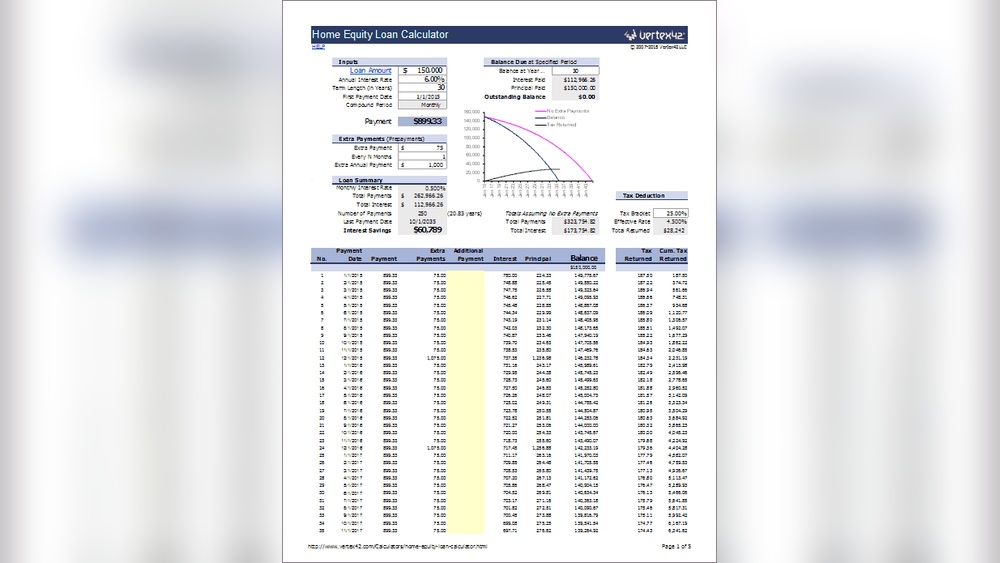
A $50,000 home equity loan monthly payment depends on interest rate and term. For 5% interest over 15 years, expect about $395 per month. Rates and terms vary by lender and credit score. Use a loan calculator for precise estimates.
Can I Get A Home Equity Loan With A Credit Score Of 600?
A credit score of 600 may qualify for some home equity loans. Lenders consider income, debt, and property value too. Expect higher interest rates and stricter terms. Shop around for lenders specializing in bad credit to improve approval chances.
Conclusion
Bad credit does not always block your chance to get an equity loan. Lenders consider many factors beyond credit scores. A steady income and low debts can improve your chances. Always compare loan terms carefully before deciding. Use home equity loans wisely to avoid more debt.
Understanding your options helps you make smart financial choices. Taking small steps can lead to better credit over time. Remember, patience and planning matter most in borrowing.
Read More
- Second Charge Loan Quote: Unlock Lower Rates Fast Today
- Variable Heloc Payment Estimate: Quick Tips for Accurate Planning
- Home Equity Refinance Quote: Unlock Savings with Top Rates Today
- Equity Release Quote Calculator: Unlock Your Home’s True Value Today
- Home Equity Loan Quotes: Unlock Best Rates and Save Big Today
- Equity Cash Out Refinance: Unlock Wealth with Smart Home Loans
- Home Equity Credit Line Rates: Unlock Top Savings Today
- Property Equity Loan Estimate: Unlock Savings with Smart Tips
- Fixed Equity Loan Apr: Unlock Stable Rates for Smart Savings
- Heloc Rate Quote Comparison: Find the Best Deals Fast