Looking for the best deal on a second charge loan? Getting a clear and accurate second charge loan quote can save you money and stress down the road.
Whether you want to fund home improvements, consolidate debt, or cover unexpected expenses, understanding your options is key. You’ll discover how to get a loan quote that fits your needs and what to watch out for before you commit. Don’t miss out on tips that could help you secure a better rate and avoid costly mistakes—read on to take control of your borrowing today.
What Is A Second Charge Loan?
A second charge loan is a type of loan secured against your home, just like your main mortgage. The key difference is that it sits behind your first mortgage in priority. This means if you fail to pay, the first mortgage lender gets paid first.
Second charge loans often have higher interest rates because they are riskier for lenders. They are usually used to borrow extra money without refinancing the first mortgage.
| First Charge Loan | Second Charge Loan |
|---|---|
| Primary loan on your property | Secondary loan on your property |
| Lower interest rates | Higher interest rates |
| Priority in repayment | Repaid after first loan |
| Usually larger loan amounts | Usually smaller loan amounts |
Common reasons to get a second charge loan include home improvements, debt consolidation, or paying for large expenses. It offers a way to get cash without changing your first mortgage terms.
Benefits Of A Second Charge Loan
Second charge loans let you borrow extra money using your home as security. This means you can get additional funds without changing your first mortgage. Often, these loans come with lower interest rates compared to other types of borrowing like credit cards or personal loans.
Repayment terms are usually flexible. You might choose to pay back over a longer time, making monthly payments smaller. Or you can pay off faster if you want. This flexibility helps manage your budget better.
| Benefit | Details |
|---|---|
| Access to Additional Funds | Borrow more money without remortgaging your home. |
| Potential for Lower Interest Rates | Cheaper than unsecured loans like credit cards. |
| Flexibility in Repayment | Choose longer or shorter repayment periods to fit your budget. |
Risks To Consider
A second charge loan adds a loan on top of your main mortgage. This means property ownership is at risk if payments are missed. The lender can take legal action and may repossess your home.
Missing payments on a second charge loan can lead to extra fees and damage your credit score. It can also make it harder to borrow money in the future. The loan will still need to be paid even if your financial situation changes.
Changes in your property’s value can also affect your loan. If the value drops, you might owe more than your home is worth. This is called negative equity. It can make selling or remortgaging difficult.
How To Get A Second Charge Loan Quote Quickly
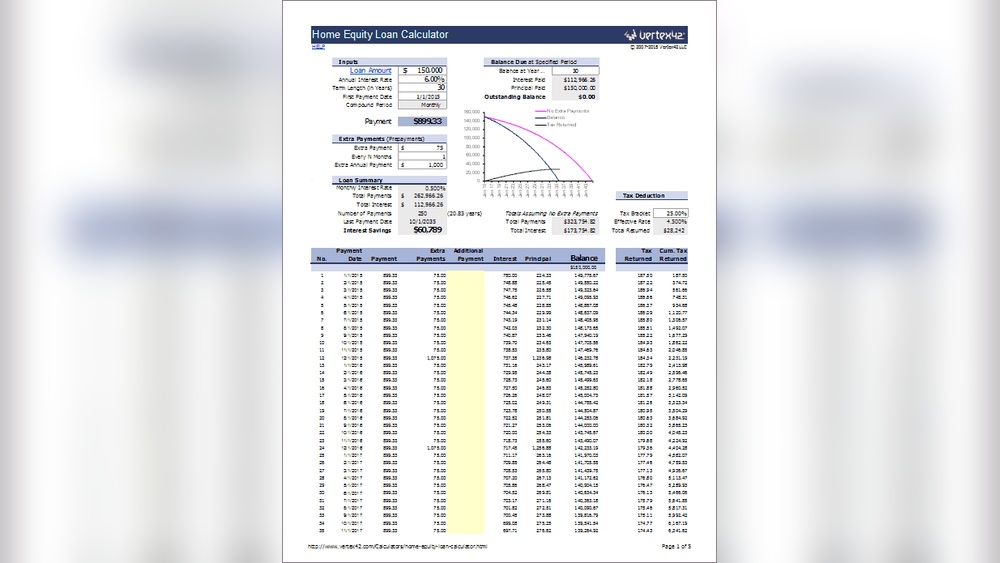
Using online loan calculators helps get quick second charge loan quotes. Enter the loan amount, term, and interest rate to see estimated monthly payments. These tools save time and make comparisons easier.
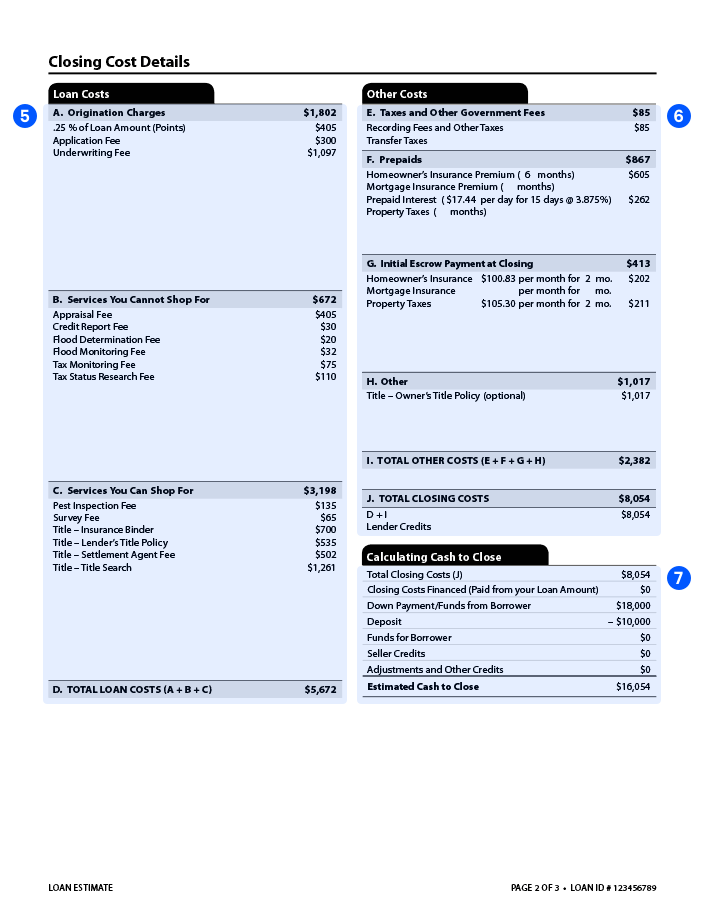
Compare lenders by checking interest rates, fees, and loan terms. Different lenders offer various deals, so reviewing multiple options helps find the best fit. Look for transparent costs and flexible repayment plans.
| Information Needed | Why It Matters |
|---|---|
| Property Value | Determines how much you can borrow |
| Current Mortgage Details | Helps calculate total debt and repayments |
| Income and Expenses | Shows ability to repay the loan |
| Loan Purpose | Some lenders have restrictions on use |
Factors Influencing Loan Rates
Credit score and financial history are key factors for loan rates. Lenders check your score to see how well you repay debts. A higher score usually means a better rate. Past financial problems may cause higher rates or loan denial.
The loan amount and term also affect rates. Larger loans or longer terms often have higher interest. Shorter terms may have lower rates but higher monthly payments.
Property value and equity impact loan offers. More equity means less risk for lenders and better rates. If the property value is low, rates may rise due to higher risk.
When To Choose A Second Charge Loan
Second charge loans can help avoid costly early repayment charges (ERCs) on your current mortgage. Many lenders charge fees for paying off your mortgage too soon. Using a second charge loan lets you keep your existing deal without extra costs.
These loans also let you keep the benefits of your current mortgage. If you have a low-interest rate or special terms, a second charge loan helps you hold on to those. You borrow extra money without changing your main mortgage.
Funding home renovations or other large expenses is easier with a second charge loan. This option gives you access to money without selling your home or using credit cards. It can cover repairs, extensions, or big purchases.
Tips For Securing Lower Rates
Improving your creditworthiness can help secure lower loan rates. Keep credit card balances low and pay bills on time. Check your credit report for errors and fix them quickly. A better credit score shows lenders you are less risky.
Negotiating with lenders is important. Compare offers from different lenders before deciding. Ask for a lower interest rate or better terms. Being polite and clear about your needs can help you get a better deal.
Timing your application matters too. Apply when interest rates are low or the market is stable. Avoid applying after missed payments or big expenses. Planning ahead can improve your chances of approval and better rates.
Common Myths About Second Charge Loans
Second charge loans are often mistaken for remortgaging. Remortgaging means replacing your first mortgage with a new one. A second charge loan adds another loan on top of your current mortgage. It does not replace the first mortgage.
Many think second charge loans always carry higher risk. That is not true for everyone. Risks depend on your personal financial situation and loan terms. Lenders assess risk carefully before approval.
Some believe these loans are hard to get. In reality, they are available to many borrowers with a good credit history. Lenders look at income, expenses, and property value before lending.
Frequently Asked Questions
Are Second Charge Loans A Good Idea?
Second charge loans provide extra funds without remortgaging but carry higher interest and risk of repossession. Assess costs and repayment ability carefully.
What Is The $100000 Loophole For Family Loans?
The $100,000 loophole allows family loans up to $100,000 without triggering gift tax rules. It requires proper documentation and interest rates.
Can A 70 Year Old Woman Get A 30 Year Mortgage?
Yes, a 70-year-old woman can get a 30-year mortgage. Approval depends on income, credit, and lender policies.
What Is The 2% Rule For Refinancing?
The 2% rule for refinancing suggests your new loan’s interest rate should be at least 2% lower than your current rate. This helps ensure savings on monthly payments and overall interest costs. Refinancing under this rule can make the process financially worthwhile.
Conclusion
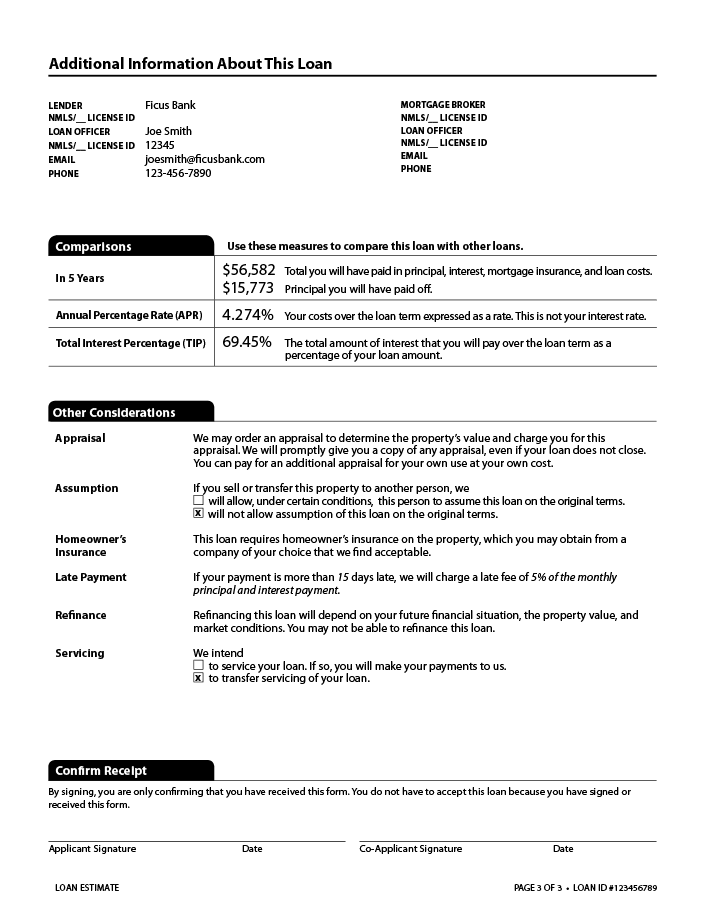
Choosing a second charge loan quote can help manage your finances better. Compare rates carefully to find a suitable option. Remember to check all fees and repayment terms. Borrow only what you need to avoid extra debt. Stay clear about how this loan affects your mortgage.
Taking time to understand your quote prevents surprises later. A well-informed decision keeps your financial goals on track.
Read More
- Variable Heloc Payment Estimate: Quick Tips for Accurate Planning
- Home Equity Refinance Quote: Unlock Savings with Top Rates Today
- Equity Release Quote Calculator: Unlock Your Home’s True Value Today
- Home Equity Loan Quotes: Unlock Best Rates and Save Big Today
- Equity Cash Out Refinance: Unlock Wealth with Smart Home Loans
- Home Equity Credit Line Rates: Unlock Top Savings Today
- Property Equity Loan Estimate: Unlock Savings with Smart Tips
- Fixed Equity Loan Apr: Unlock Stable Rates for Smart Savings
- Heloc Rate Quote Comparison: Find the Best Deals Fast
- Homeowner Equity Finance Options: Unlock Cash with Smart Solutions